
× Our Coffee ×
What we're roasting
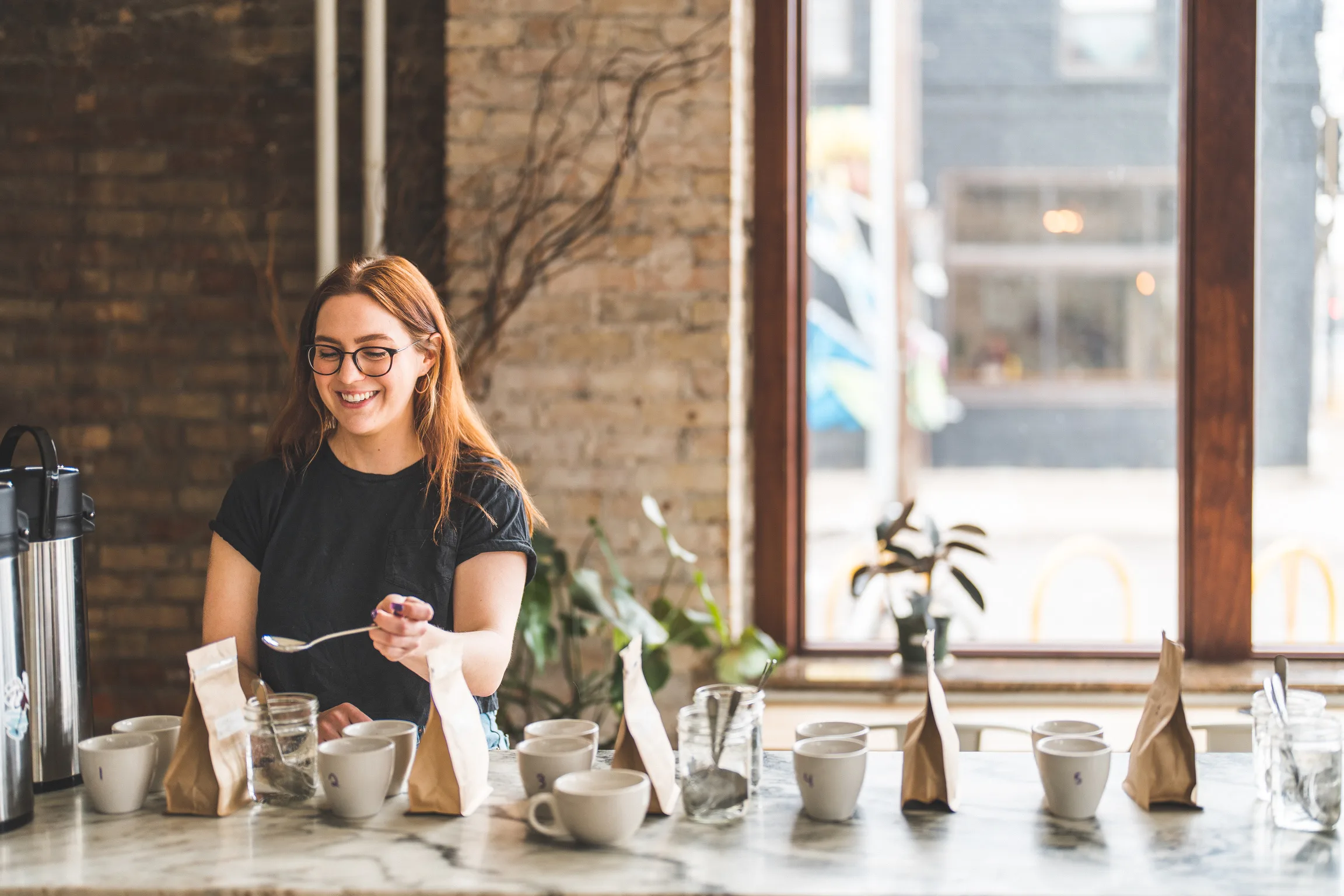
Every coffee here is roasted at our Uptown roastery and chosen blind, by taste. This is the current lineup: it rotates as harvests come and go, so check back often.
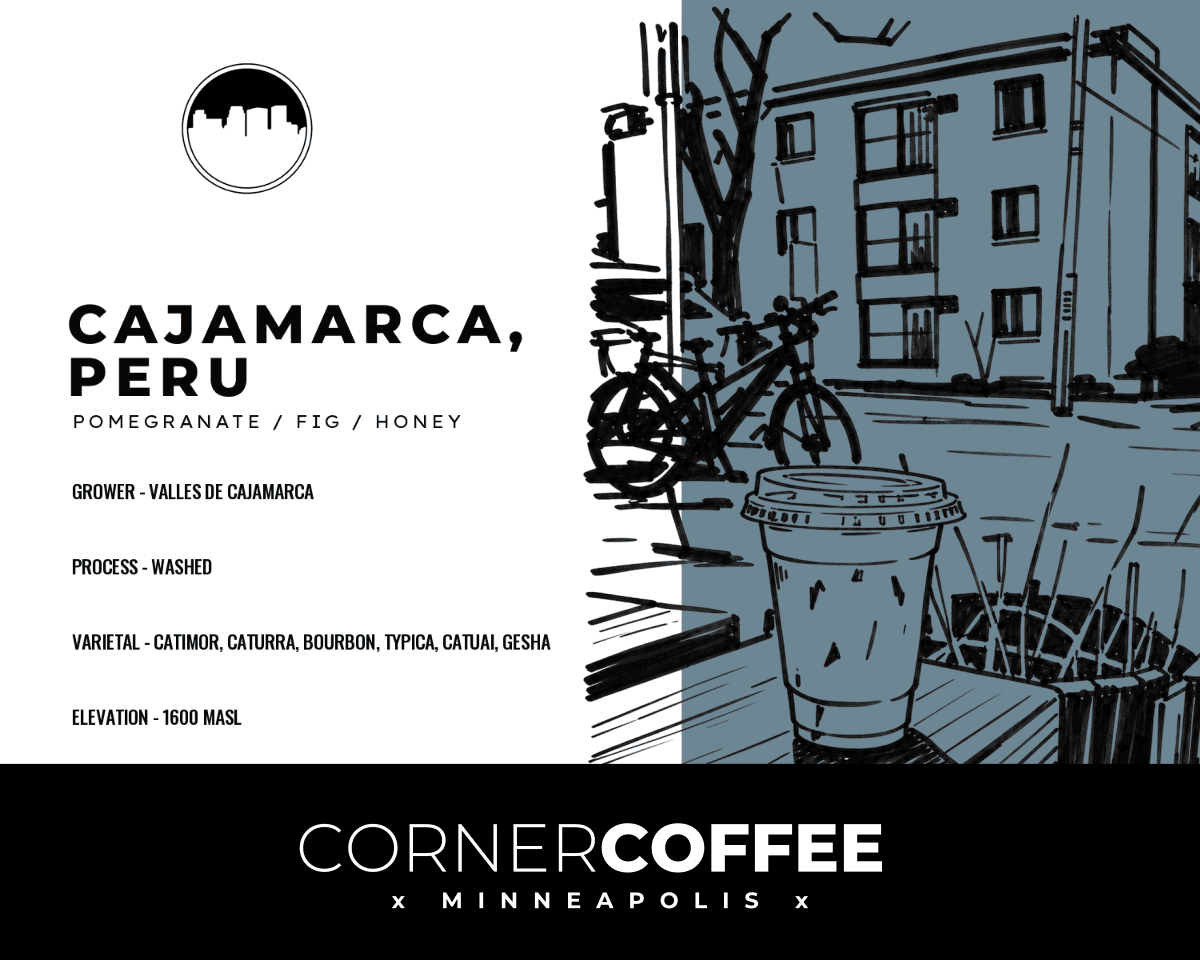
Cajamarca, Peru
$20.73From Valles de Cajamarca, a producer association of about 45 farms around San Ignacio, Peru. This washed coffee is grown at 1,600 MASL from Catimor, Caturra, Bourbon, Typica, Catuai, and Gesha varieties, with notes of pomegranate, fig, and honey.
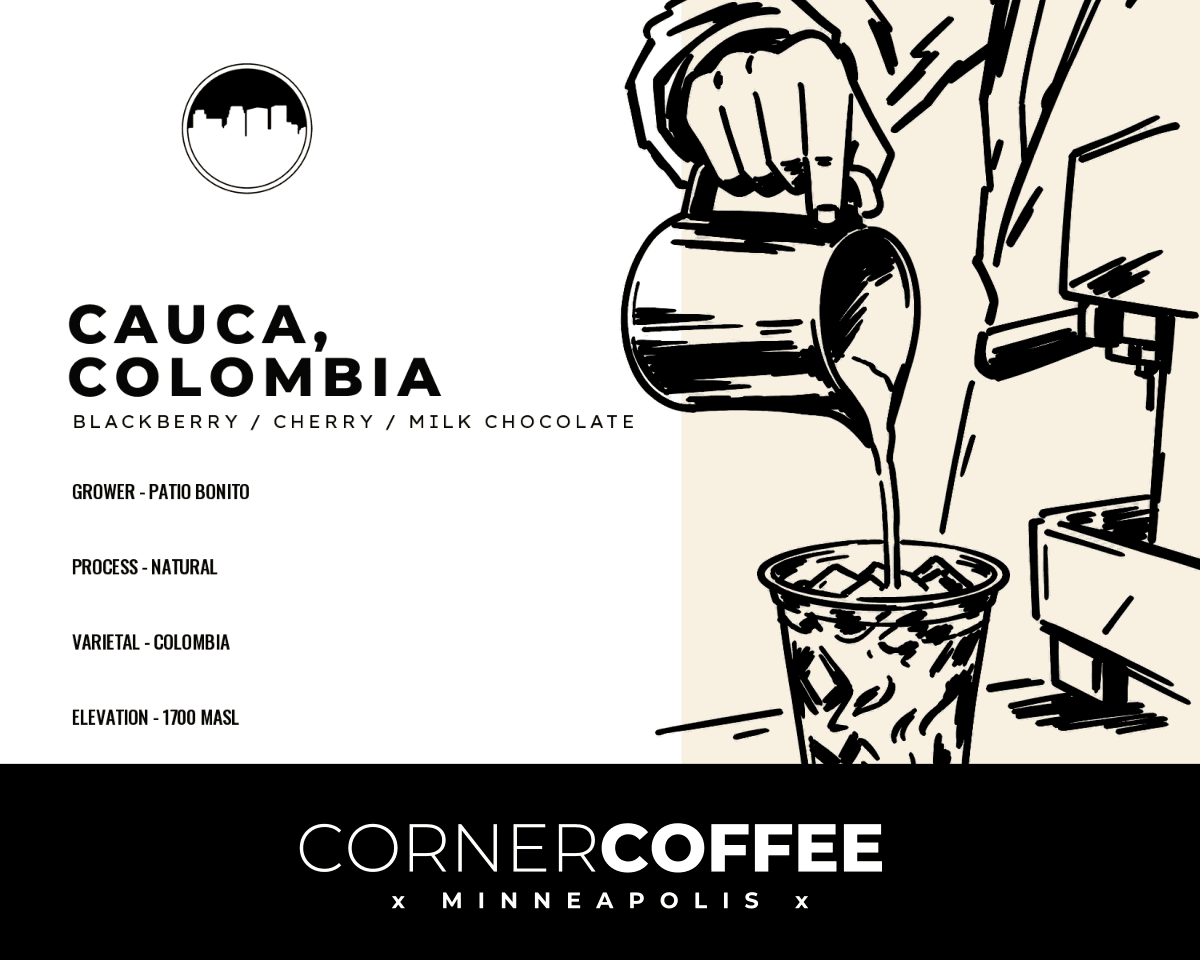
Cauca, Colombia
$16.61A naturally processed Colombia-variety coffee from Paola and Carlos Trujillo's family-run Finca Patio Bonito in Caldono, Cauca, grown at 1,700 MASL. Expect blackberry, cherry, and milk chocolate notes.
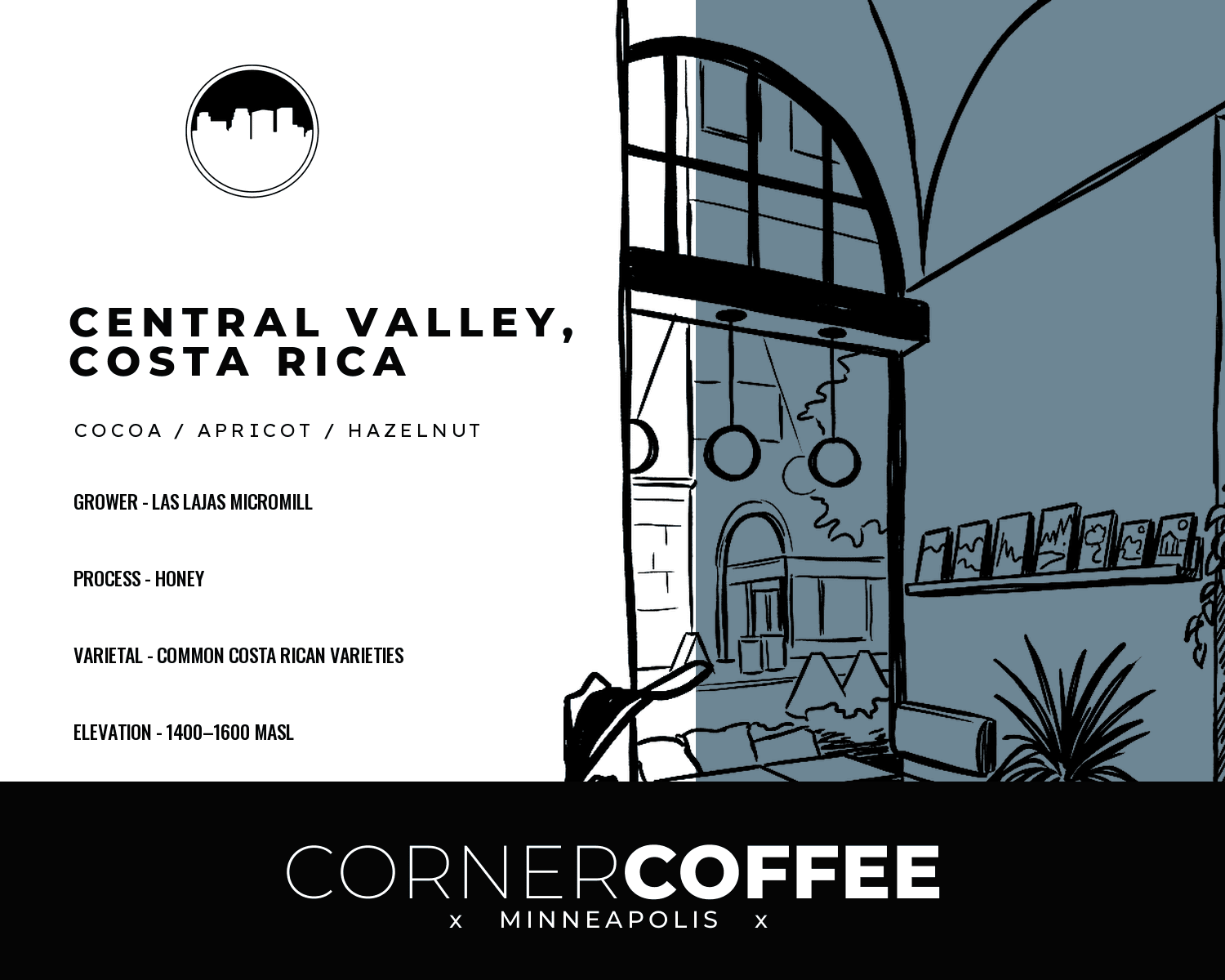
Central Valley, Costa Rica
$23.91Honey processed coffee from Las Lajas Micromill in Costa Rica's Central Valley. Notes of cocoa, apricot, and hazelnut. Grown at 1,400–1,600 MASL from common Costa Rican varieties.
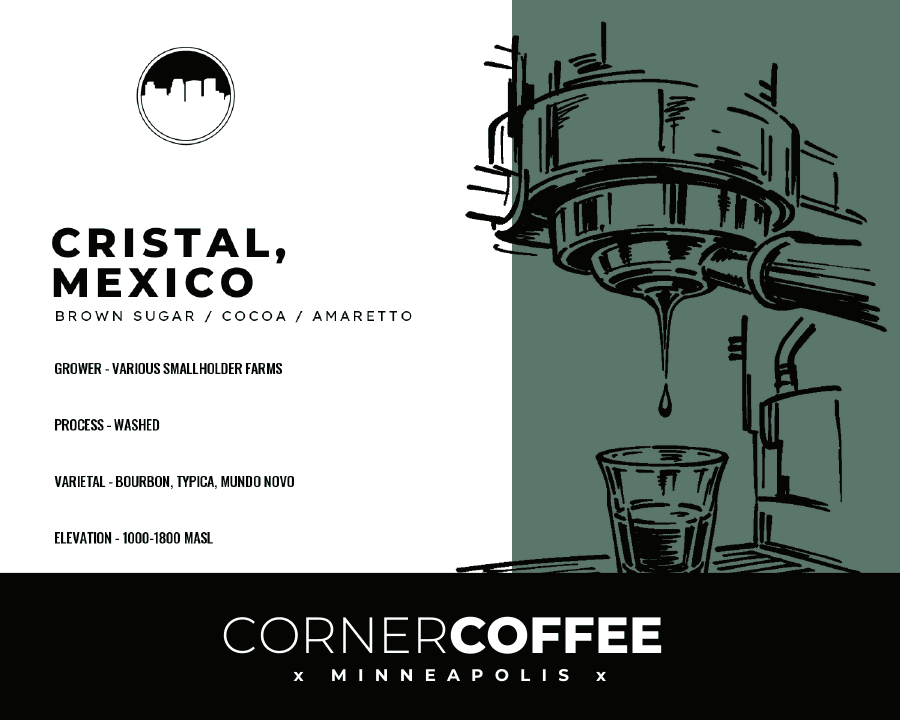
Cristal, Mexico
$20.19Comforting and easy-drinking, Cristal brings together coffees from smallholder farms across Mexico's growing regions, including Veracruz, Oaxaca, and Chiapas. The cup balances brown sugar and cocoa sweetness with a hint of amaretto and mellow cooked citrus. Grower: Various smallholder farms Process: Washed Varieties: Bourbon, Typica, Mundo Novo Elevation: 1000-1800 MASL Harvest: November-March
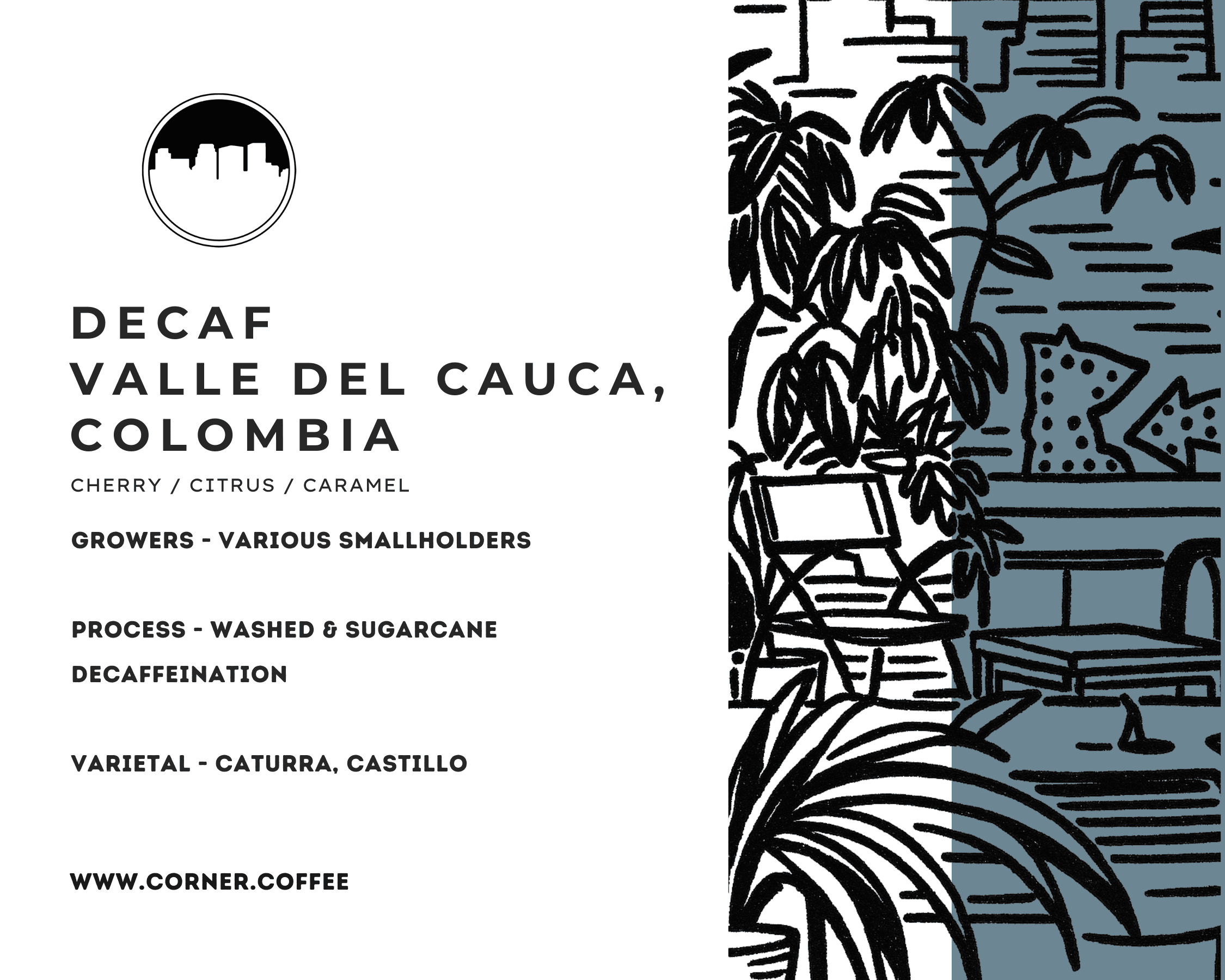
Decaf Colombia
$24.90Growers - Various Smallholders Process - Washed & Sugarcane Decaffeination Varietal - Caturra, Castillo
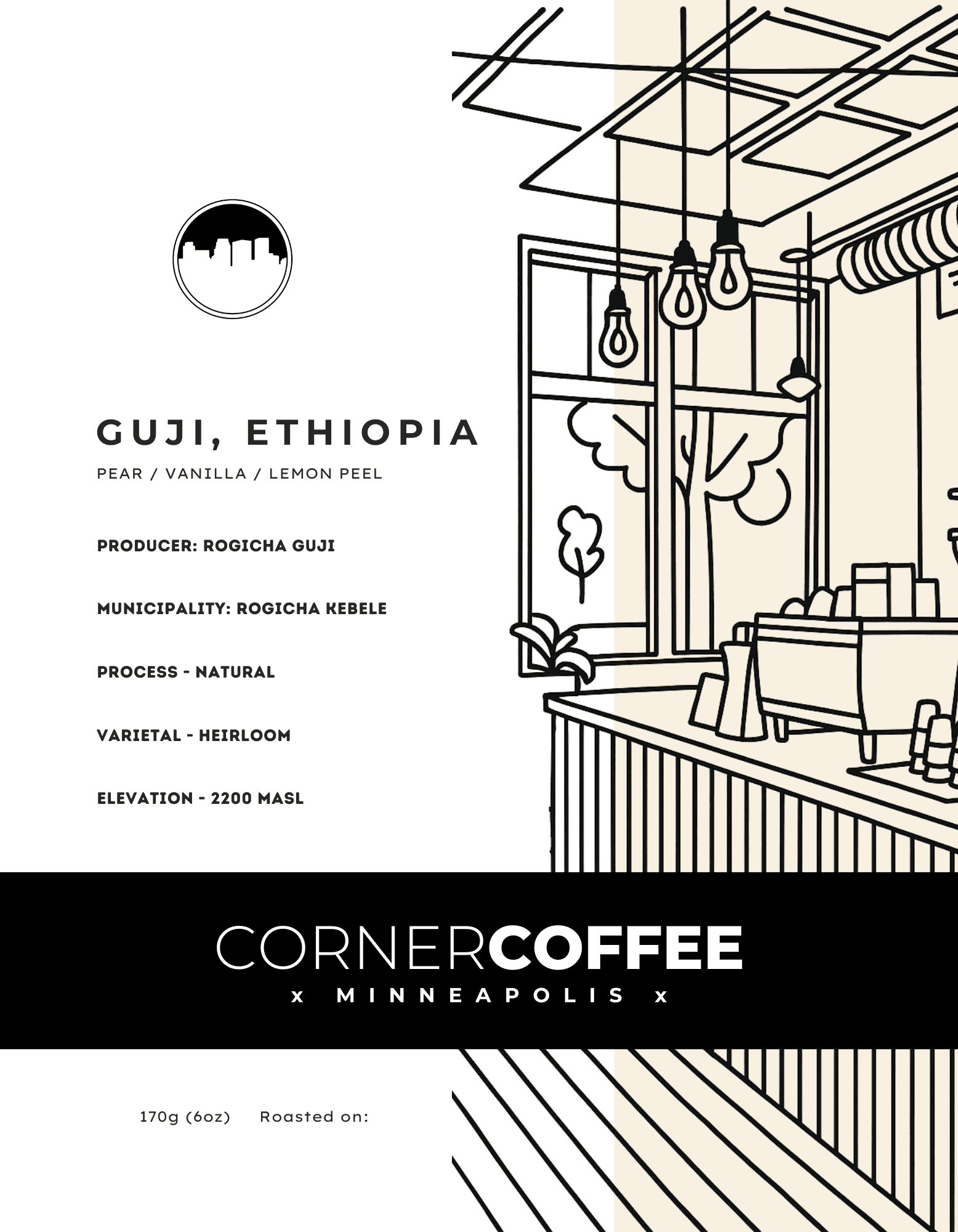
Guji Ethiopia
$20.52This might be our favorite coffee of the year. Sourced through our partners at Cereza Coffee, this limited-edition lot comes from the Rogicha drying station in Ethiopia’s Guji Zone—an area known for sky-high elevation, meticulous hand-picking, and slow natural processing that brings incredible depth to the cup. The result is a coffee that’s beautifully balanced with layers of flavor that continue to unfold as it cools. Expect pear, vanilla, and lemon peel, wrapped in the clarity and sweetness Guji is known for. This one has been shining on Chemex at home—where the thicker filter brings extra definition and lets every note come through cleanly. We only have a small amount of this lot, sourced through a new direct-trade partnership that allows us to work closely with producers long before harvest. When it’s gone, it’s gone until next season. Tasting Notes: Pear, Vanilla, Lemon Peel Process: Natural Varietal: Heirloom Elevation: 2200 MASL Origin: Rogicha Kebele, Guji Zone, Ethiopia A cup that tastes like discovery—crafted with care and meant to be shared.
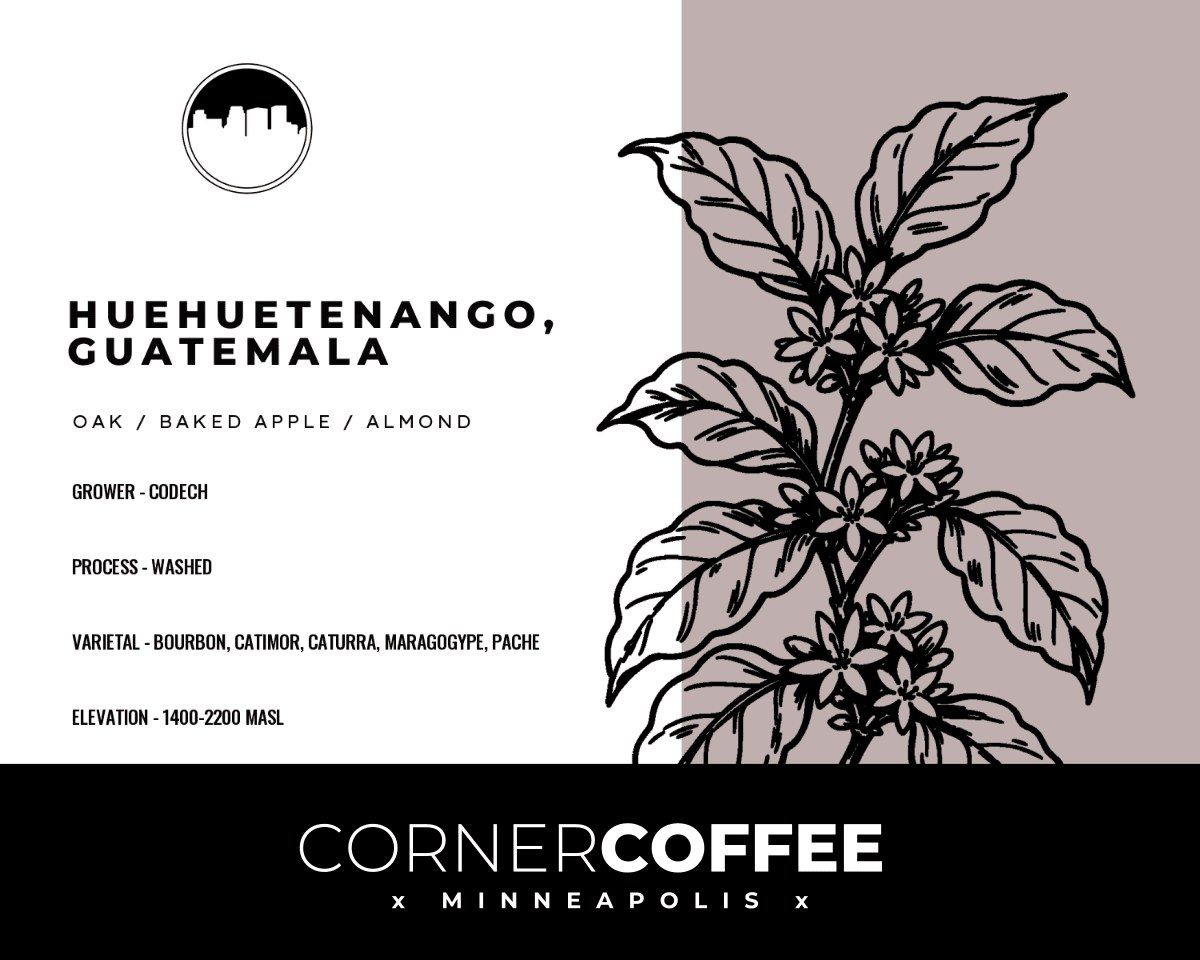
Huehuetenango, Guatemala
$22.02From Huehuetenango, Guatemala, this washed coffee comes from CODECH, an organization in Concepcion Huista made up of 10 member groups and 476 producers. Grown at 1,400-2,200 MASL, it combines Bourbon, Catimor, Caturra, Maragogype, and Pache varieties with notes of oak, baked apple, and almond.
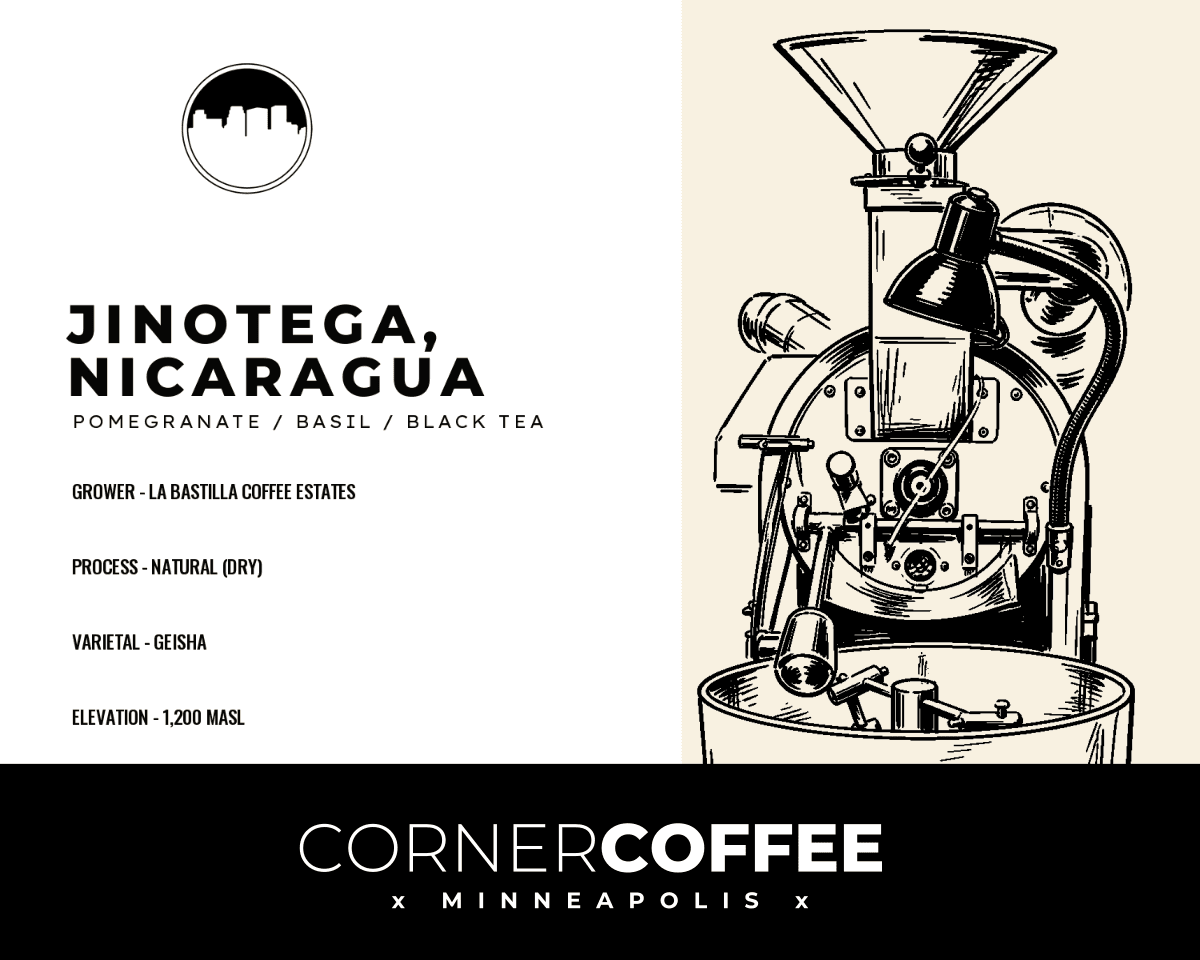
Jinotega, Nicaragua
$22.69From La Bastilla Coffee Estates in Jinotega, Nicaragua, this naturally processed Geisha grows at 1,200 MASL. Expect a bright, herbal cup with notes of pomegranate, basil, and black tea.
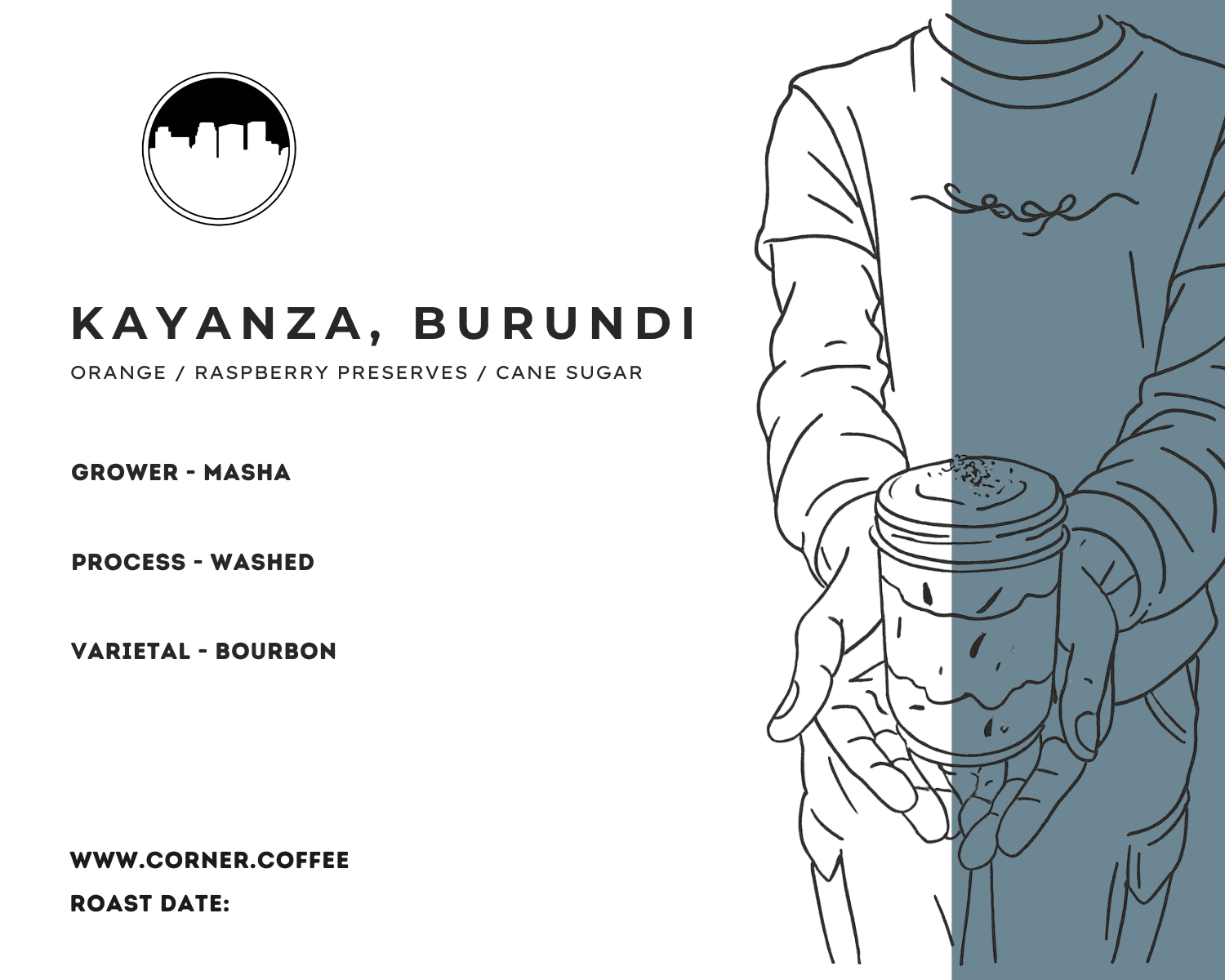
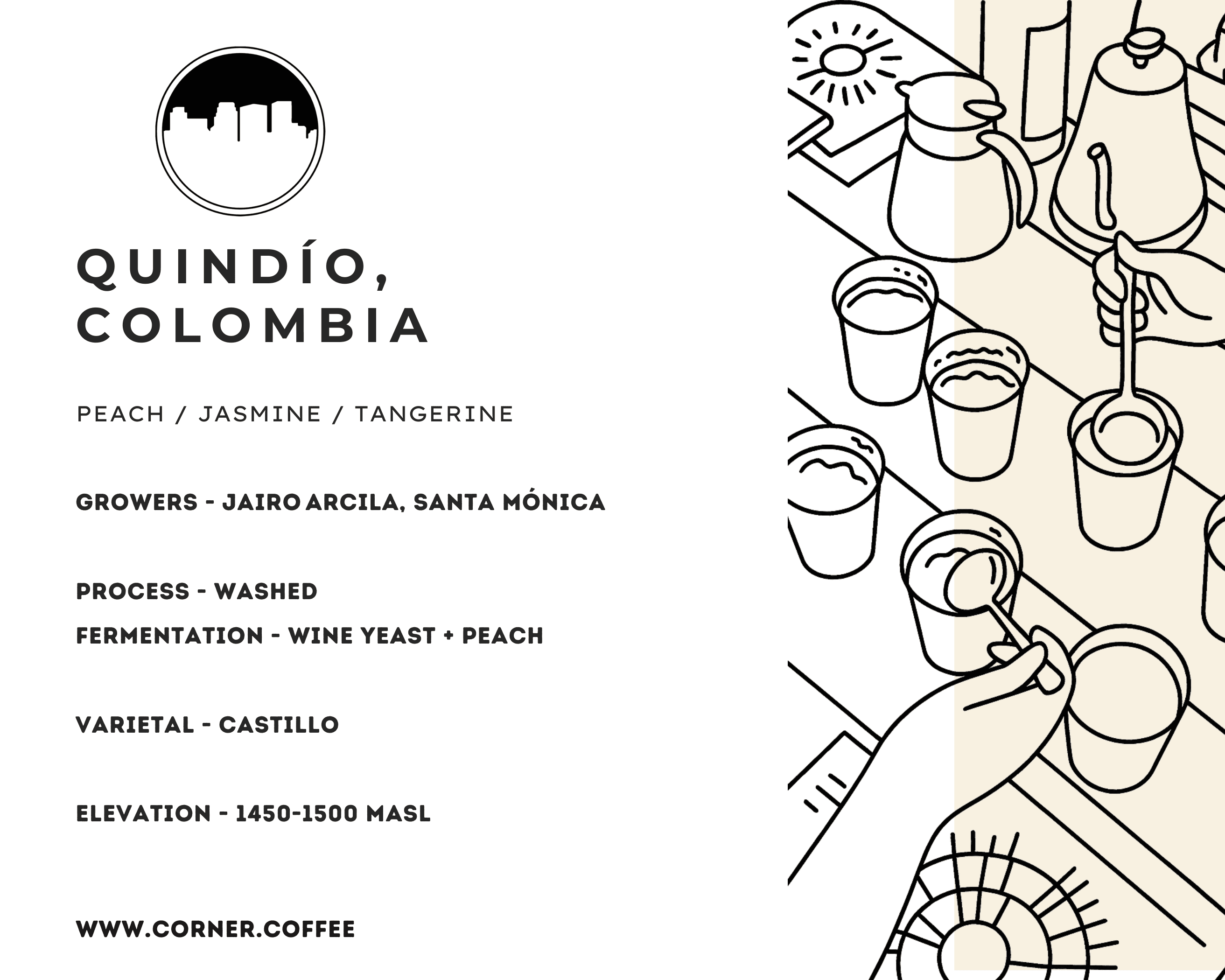
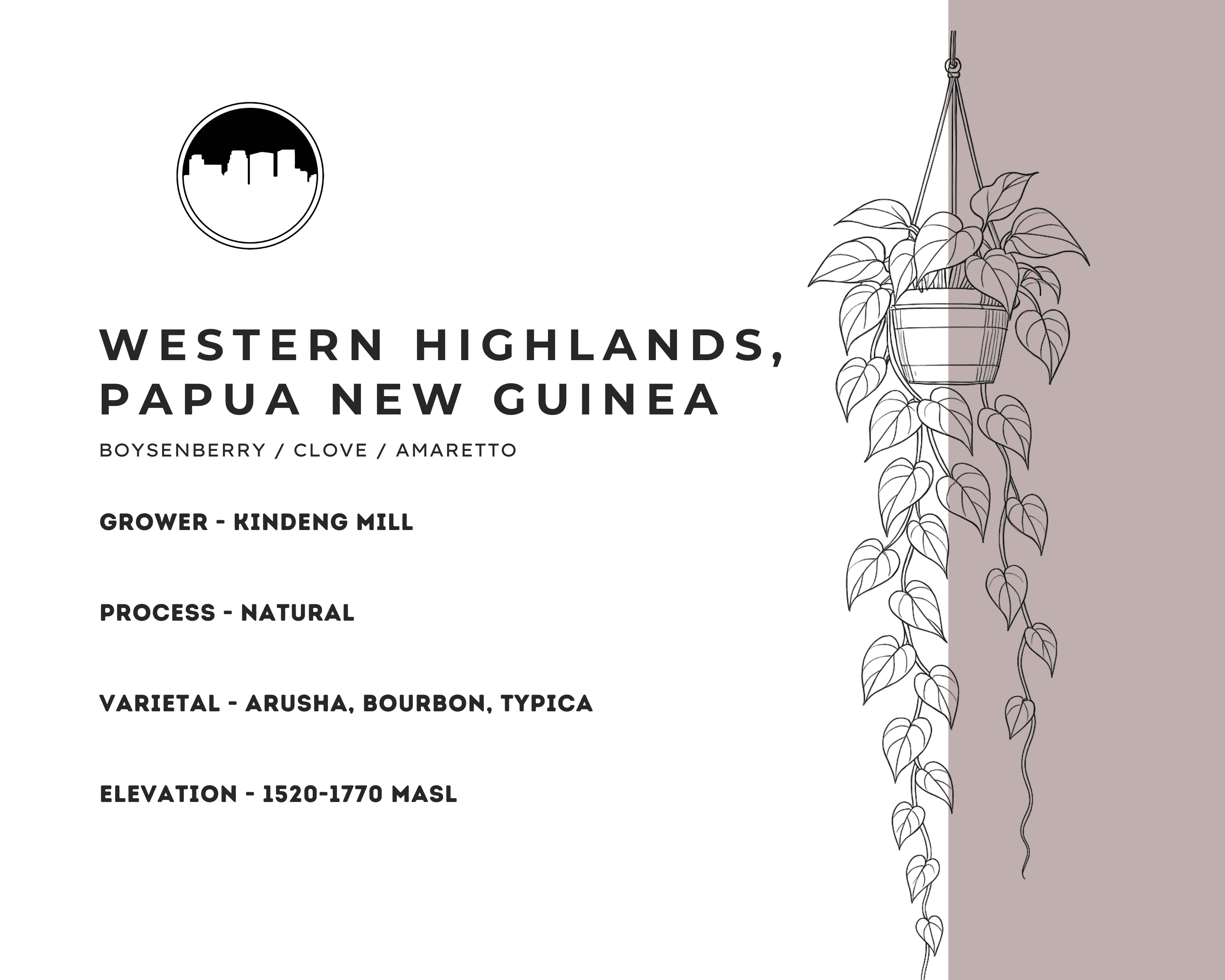
Western Highlands, Papua New Guinea
$25.80Frequently asked questions
Is this mold-free coffee?
"Mold-free coffee" is not an official certification. It's mainly a marketing phrase.
We take green-coffee quality and storage seriously. Our coffees come through importers we trust, get inspected for quality, stay in dry storage, and roast at temperatures that destroy active mold. The more specific concern people usually mean is mycotoxins, which can develop if green coffee is dried or stored poorly. Good sourcing and storage are the real protection.
We don't put "mold-free" on the bag. The phrase doesn't have one meaning — it might mean no visible mold, no living mold, a sample tested for one mycotoxin, or just ordinary quality practices. Without specific lab results, it doesn't tell you much.
What we do instead: buy good green coffee, reject lots with quality or storage problems, keep coffee dry, keep the roastery clean, roast at temperatures that eliminate active mold, and pay attention to freshness, packaging, and handling. Those are the fundamentals that actually protect the cup.
Does roasting remove mold?
The heat of roasting destroys living mold. It can also reduce some compounds mold leaves behind. It may not remove every trace if green coffee was badly contaminated before it reached us. Roasting is not meant to rescue poorly handled green coffee.
That's why sourcing, drying, transportation, and storage matter first. We inspect lots, keep coffee dry, and reject coffee with visible quality or storage problems before it ever hits the roaster.
How do you choose the coffee?
By taste. We cup coffees blind: no farm name, no price, no story until after we've decided what actually tastes best. Flavor comes first. Then we look at origin, process, and whether the relationship is one we can keep building.
Why do you roast light?
Burn the bean, lose the story. We're not trying to make coffee taste like us. We're trying to let it taste like where it came from. Push a roast far enough and every coffee starts tasting the same: smoke, char, burnt sugar. Light roasting is restraint. The coffee stays visible.
How fresh is it?
Every coffee on this page is roasted at our Uptown roastery. Freshness is the point. Coffee has a window, not an expiration date, so we roast in small amounts and keep the lineup moving with the harvest. Grab a bag at any café or order online and we'll ship it to you.
Take some home
Grab a bag at any café, or order online and we'll ship it to you.
Coffee that supports a live program →